- +255 758509361
- info@nessdreamsafari.com

Mount Kilimanjaro Safety
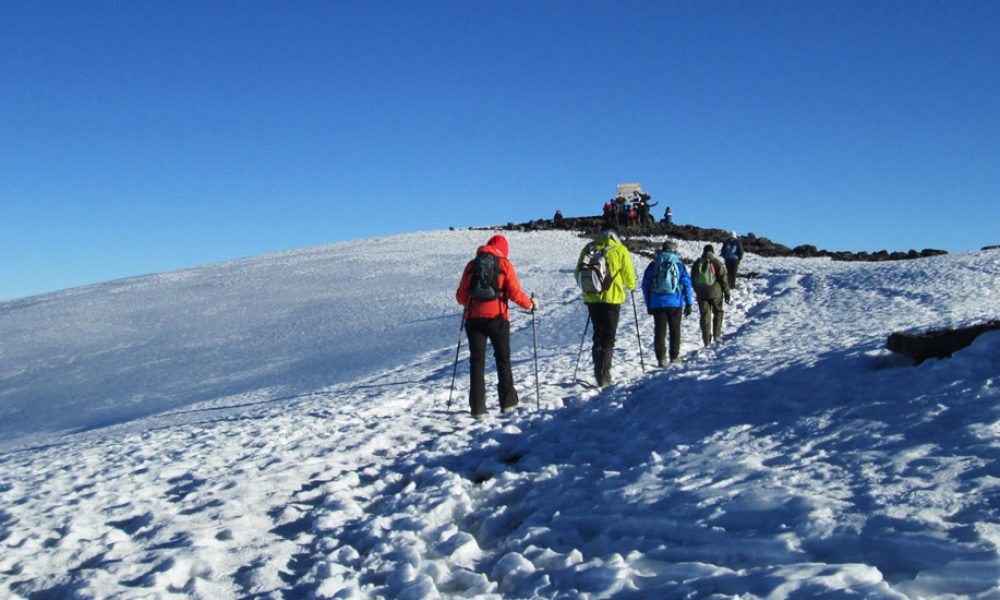
Safety On Mount Kilimanjaro – Our Number One Priority
Safety is our number one priority at Ness Dream Safari. Mount Kilimanjaro is the highest mountain in Africa and one of the world’s famous Seven Summits. Although the routes do not require technical climbing skills, the high altitude, changing weather, steep terrain, and remote environment mean that the mountain should never be underestimated.
A successful Kilimanjaro climb is not only about reaching the summit. It is also about climbing responsibly, listening to your body, following your guide’s advice, and having the right safety procedures in place throughout the journey.
Key Factors Affecting Safety On Kilimanjaro
Several factors can affect your safety and wellbeing during a Kilimanjaro climb:
Altitude sickness and other altitude-related problems
Changing mountain weather
Remote and challenging terrain
Experience and training of your mountain guides
Appropriate clothing and climbing equipment
Access to first-aid and emergency equipment
Proper health monitoring and emergency procedures
Your own physical preparation and communication with the guide
How We Work To Keep You Safe On Kilimanjaro
Staying safe on Kilimanjaro starts before you reach the mountain. Our guides take time to understand the needs of each climber and monitor the group throughout the trek.
Before your climb, you should inform us about any existing medical conditions, allergies, or medications you are taking. If necessary, we may recommend that you speak with your doctor before travelling to Tanzania.
Your guide should also know about any medication you are taking, including prescription and over-the-counter medicines. If you are considering medication such as Diamox for altitude acclimatization, discuss it with a qualified medical professional before your climb.
Experienced And Trained Mountain Guides
A good mountain guide plays an important role in Kilimanjaro safety. Our guides are trained to recognize signs of altitude-related illness and other common problems that may occur during a mountain trek.
They monitor climbers throughout the day and encourage everyone to maintain a comfortable pace. If a climber begins experiencing concerning symptoms, the guide can assess the situation and determine the safest course of action.
Good communication between climbers and guides is essential. If you feel unwell, never keep it to yourself.
Guide-To-Climber Ratio
We aim to maintain a guide-to-climber ratio that allows our mountain team to monitor climbers properly and provide individual attention when needed.
For larger groups, additional guides and support staff may be assigned according to the group size and route requirements. This helps ensure that the team can move safely and that climbers receive appropriate support throughout the trek.
Daily Health Monitoring
Your health can change as you gain altitude, so monitoring does not stop after the first day.
During the trek, our guides pay attention to how you are walking, breathing, eating, drinking, sleeping, and responding to the altitude.
You should immediately tell your guide if you experience:
Headache
Nausea or vomiting
Loss of appetite
Unusual tiredness
Dizziness
Difficulty breathing
Difficulty walking normally
Confusion or unusual behaviour
Any other symptom that concerns you
Never try to hide symptoms because you want to reach the summit. Your safety always comes first.
Health Checks During The Climb
Where appropriate, our mountain team may use equipment such as a pulse oximeter to check oxygen saturation and resting pulse rate.
These readings can provide useful information when considered together with your symptoms and overall condition. They are not used on their own to diagnose altitude sickness.
Guides may also use recognized altitude-sickness assessment methods, such as the Lake Louise system, together with questions about how you are feeling.
If your condition suggests that continuing higher would be unsafe, your guide may recommend rest, further assessment, or descent.
Emergency Oxygen And First-Aid Equipment
Our mountain team carries appropriate first-aid and emergency equipment for the trek.
Depending on the route and operational requirements, emergency equipment may include:
First-aid supplies
Emergency oxygen for appropriate emergency situations
Communication equipment
Basic medical supplies
Equipment to assist with an emergency evacuation
Supplemental oxygen is not a substitute for descending to a lower altitude when a climber has serious altitude-related illness. If necessary, descent is an important part of the response.
Emergency Evacuation
Although serious emergencies are uncommon, Kilimanjaro is a remote mountain and evacuation procedures are an important part of responsible mountain operations.
If a climber becomes seriously ill or injured, our team will assess the situation and follow the appropriate emergency procedures. Depending on the circumstances, evacuation may involve assistance from the mountain rescue system, park authorities, ground evacuation, or other emergency services.
For this reason, comprehensive travel and medical evacuation insurance is strongly recommended for every Kilimanjaro climber.
Equipment And Mountain Gear
Kilimanjaro passes through several ecological and climatic zones. Conditions can change significantly as you climb, from warm lower slopes to freezing conditions near the summit.
Having the correct equipment is therefore an important part of your safety.
Our mountain equipment and camp setup are selected to provide protection and comfort in changing conditions. Depending on your chosen route and package, camping arrangements may include:
Strong, weather-resistant tents
Comfortable dining arrangements
Appropriate sleeping equipment
Toilet facilities
Cooking and food preparation equipment
You should also arrive with suitable personal mountain gear.
Proper hiking boots can help reduce the risk of slips and foot injuries. Effective rain gear helps keep you dry during wet conditions, while warm layers protect you against cold temperatures at higher elevations.
Dress Properly And Stay Dry
Mountain weather can change quickly. Getting wet and remaining in wet clothing can make you uncomfortably cold, especially at higher elevations.
We recommend using a proper layering system so you can add or remove clothing as conditions change.
Your Kilimanjaro packing list should include:
Waterproof jacket and trousers
Warm fleece or insulated jacket
Thermal base layers
Warm hat and gloves
Comfortable hiking trousers
Good-quality hiking boots
Warm socks
Headlamp
Sunglasses
Sunscreen
Water bottles or hydration system
Never continue hiking in wet clothing if you can safely change into dry layers.
Hygiene, Food And Water Safety
There are no normal shower facilities on the mountain, so personal hygiene requires a little extra planning.
Bring hand sanitizer and wash your hands regularly, especially before eating. Fatigue, altitude, and changes in diet can make stomach problems particularly unpleasant during a mountain climb.
At Ness Dream Safari, we take food and drinking-water hygiene seriously. Drinking water should be properly treated before consumption, and food should be prepared and handled using appropriate hygiene practices.
Eat Regularly And Drink Enough Water
Maintaining your energy and hydration is important during a Kilimanjaro climb.
Even when you do not feel very hungry, try to eat regular meals and snacks as recommended by your mountain team.
You should also drink water regularly throughout the day. Your guide can advise you on hydration based on the weather, altitude, and level of activity.
Listen To Your Body
One of the most important safety rules on Kilimanjaro is simple: tell your guide how you are feeling.
Do not try to prove how strong you are by ignoring symptoms or pushing yourself beyond your limits.
If you notice that another climber is struggling, encourage them to communicate with the guide. Looking after one another helps make the entire group safer.
Physical Preparation
Kilimanjaro does not require technical mountaineering skills on the standard trekking routes, but you should be prepared for several days of walking over uneven and sometimes steep terrain.
Preparing before your trip can make the climb more comfortable.
We recommend:
Regular walking or hiking
Cardiovascular fitness exercises
Strength and endurance training
Practising with your hiking boots before the climb
Getting used to carrying a daypack
Training on hills or uneven terrain where possible
You should also speak with your doctor before the climb if you have any medical concerns or existing conditions.
Medical Preparation Before Your Climb
Before travelling to Tanzania, consider having a medical check-up and discussing your planned Kilimanjaro climb with a qualified healthcare professional.
Ask your doctor about:
Existing medical conditions
Current medications
Altitude-related risks
Recommended vaccinations for your travel plans
Whether any altitude medication is appropriate for you
Your fitness for a multi-day high-altitude trek
Do not start prescription medication for altitude without appropriate medical advice.
Travel Insurance For Kilimanjaro
Comprehensive travel insurance is an important part of preparing for a Kilimanjaro climb.
Your policy should be checked carefully to make sure it covers the activities included in your trip, as well as emergency medical treatment and evacuation where applicable.
Insurance terms and exclusions vary between providers, so always read your policy carefully before travelling.
Your Responsibility For Mountain Safety
While Ness Dream Safari and our mountain team take safety seriously, every climber also has an important role to play.
Please remember to:
Tell your guide immediately if you feel unwell
Follow your guide’s instructions
Drink water regularly
Eat properly throughout the trek
Dress appropriately for changing weather
Keep your personal equipment in good condition
Stay with the group
Never deliberately hide symptoms
Do not continue climbing if your guide determines that it is unsafe
Prepare, Prepare, Prepare
A safe Kilimanjaro experience starts well before the first step on the trail.
Good preparation, suitable equipment, experienced guides, sensible pacing, regular communication, and responsible decision-making all contribute to a safer climb.
Mountain conditions can never be completely predicted, and no operator can remove every risk associated with high-altitude trekking. However, careful preparation and proper safety procedures can greatly improve your experience.
Climb Kilimanjaro With Ness Dream Safari
Your goal may be to stand on the roof of Africa, but our goal is to help you reach that point safely and responsibly.
From preparation before your trip to daily support on the mountain, Ness Dream Safari focuses on careful planning, experienced mountain support, proper equipment, and close attention to climber wellbeing.
Your summit matters, but your safety matters more.
Do you need help?
Send us details