- +255 758509361
- info@nessdreamsafari.com
Ngorongoro Crater
Ngorongoro National Park Overview
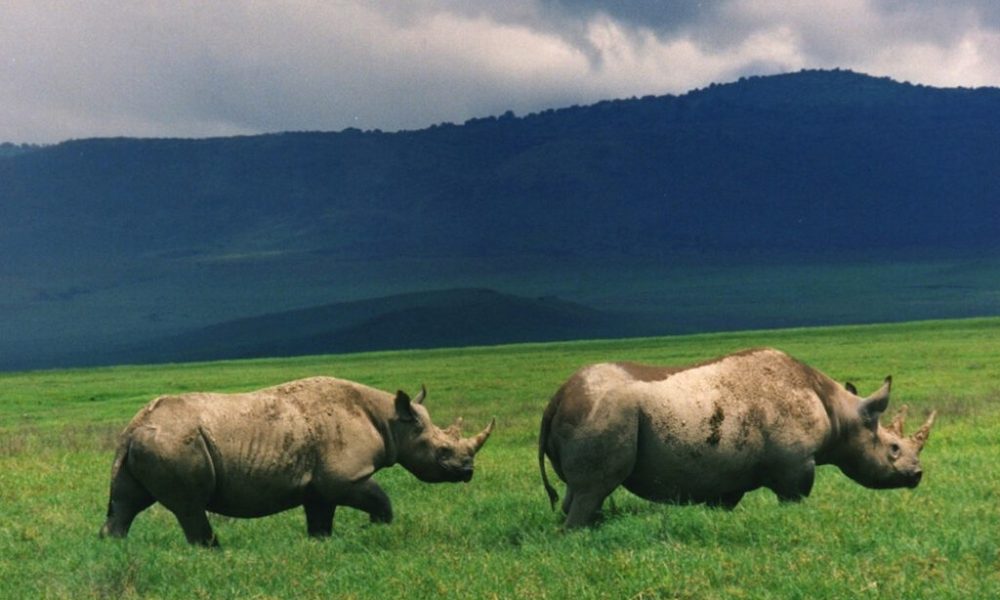
The Ngorongoro Conservation Area in northern Tanzania is one of Africa’s most famous safari destinations. It is home to the vast volcanic Ngorongoro Crater, a UNESCO World Heritage Site that shelters Africa’s Big Five — elephants, lions, leopards, buffaloes, and rhinos — together with wildebeests, zebras, and many species of birds. Unlike many other safari areas, Ngorongoro is also a place where wildlife lives alongside the semi-nomadic Maasai people, who graze their livestock in the same area as the wild animals.
The name Ngorongoro comes from the Maasai word describing the sound of a cowbell, ngoro ngoro, reflecting the strong pastoral connection between the Maasai people and the land.
What Ngorongoro is Famous For
Lake Magadi
Located inside the Ngorongoro Crater, Lake Magadi is a shallow alkaline lake that attracts thousands of pink flamingos. Lesser flamingos, with their red bills, feed on algae, while greater flamingos add to the beautiful scenery.
Lerai Fever Tree Forest
This beautiful forest of yellow-barked acacia trees provides a home for elephants, rhinos, elands, bushbucks, and many bird species, making it one of the most biodiverse areas within the crater.
Olduvai Gorge & Laetoli
Near Ngorongoro, the world-famous Olduvai Gorge and Laetoli are important archaeological sites where ancient hominin fossils and tools dating back millions of years have been discovered. These sites provide valuable information about the history and early evolution of humans.
Shifting Sands
The Shifting Sands are unusual volcanic dunes formed from ash produced by Ol Doinyo Lengai. These black sand dunes slowly move across the plains at around 15 meters per year, creating a rare and fascinating natural wonder.
Olmoti & Empakaai Craters
Beyond the Ngorongoro Crater, Olmoti Crater offers peaceful grasslands and streams that form waterfalls, while Empakaai Crater has a deep soda lake that is often surrounded by flamingos.
Gol Mountains
The remote Gol Mountains offer a dramatic wilderness landscape with pink cliffs. They also serve as a bottleneck for the annual Great Migration of wildebeests and zebras as they make their return journey to the Serengeti.
Nasera Rock & Salei Plains
Nasera Rock is both an archaeological site and a wildlife habitat for baboons, klipspringers, and various bird species. Nearby, the Salei Plains and Ol Karien Gorge are important nesting areas for vultures, especially during the Great Migration.
Oldeani Mountain & Lake Eyasi
The bamboo-covered Oldeani Mountain supplies streams that support the Lerai Forest. Nearby, Lake Eyasi is home to the Hadzabe people, traditional hunter-gatherers who continue to depend on the natural environment for their way of life.
Ol Doinyo Lengai & Lake Natron
To the northeast, the sacred volcanic mountain Ol Doinyo Lengai, known as the “Mountain of God” by the Maasai, rises above the Great Rift Valley. Its recent volcanic activity and its location near Lake Natron create a dramatic and impressive natural landscape.
Activities in Ngorongoro
Visitors can enjoy a wide range of activities, including:
Game drives inside the Ngorongoro Crater
Photography safaris and scenic picnics
Birdwatching at Lake Magadi and surrounding forests
Nature walks and hikes to Empakaai Crater and Olmoti Crater
Cultural visits to Maasai villages
Hot air balloon safaris for a bird’s-eye view
Exploring Olduvai Gorge and archaeological sites
Hiking in the Gol Mountains and climbing Ol Doinyo Lengai
Best Time to Visit Ngorongoro
The best time to visit Ngorongoro National Park is from June to October, during the dry season when wildlife viewing is at its best and game drives are less affected by muddy conditions. The wet season, from November to May, brings green and beautiful landscapes as well as migratory birds, making it a good alternative for travelers who prefer fewer crowds.
Do you need help?
Send us details